

By James Vasquez
The Ties That Bind Us
In San Diego, our city’s neighborhoods are more than a collection of houses or streets—they are communities shaped by familiar faces, shared walks to corner stores, and moments of helping hands when life hits hard. What makes a place feel like home isn’t always about what’s visible—it’s about connection, safety, and knowing your story matters.
Voices from Our Streets
A recent community needs report shows people across the city, especially in Mid-City and southeastern neighborhoods, name street lighting, road maintenance, and access to parks among their top concerns when asked what makes a safe, livable neighborhood. These aren’t just amenities—they’re signals that someone cares, that you’re seen. When sidewalks crumble or lights don’t work, the sense of neglect creeps in and trust erodes.
Strength in Storytelling
You can see the power of speaking from personal experience through platforms like Project Second Voice, where immigrants share their journeys in their own words—stories often overlooked by statistics but rich in detail and struggle. Living undocumented, facing language barriers, or navigating the housing crisis—these realities build empathy when told openly and listened to with respect.
The Costs of Disconnection
When neighbors stop seeing each other, or when newly built towers block old views without paying heed to sunlight, parking, or walkability, something essential fades. Affordability pressures force longtime residents to move away. New buildings rise, but social fabric frays. Evictions rise steeply in communities already stretched thin—City Heights, Encanto, Otay Mesa—where fear of losing not just a home but roots is very real.
What We Can Do—Together
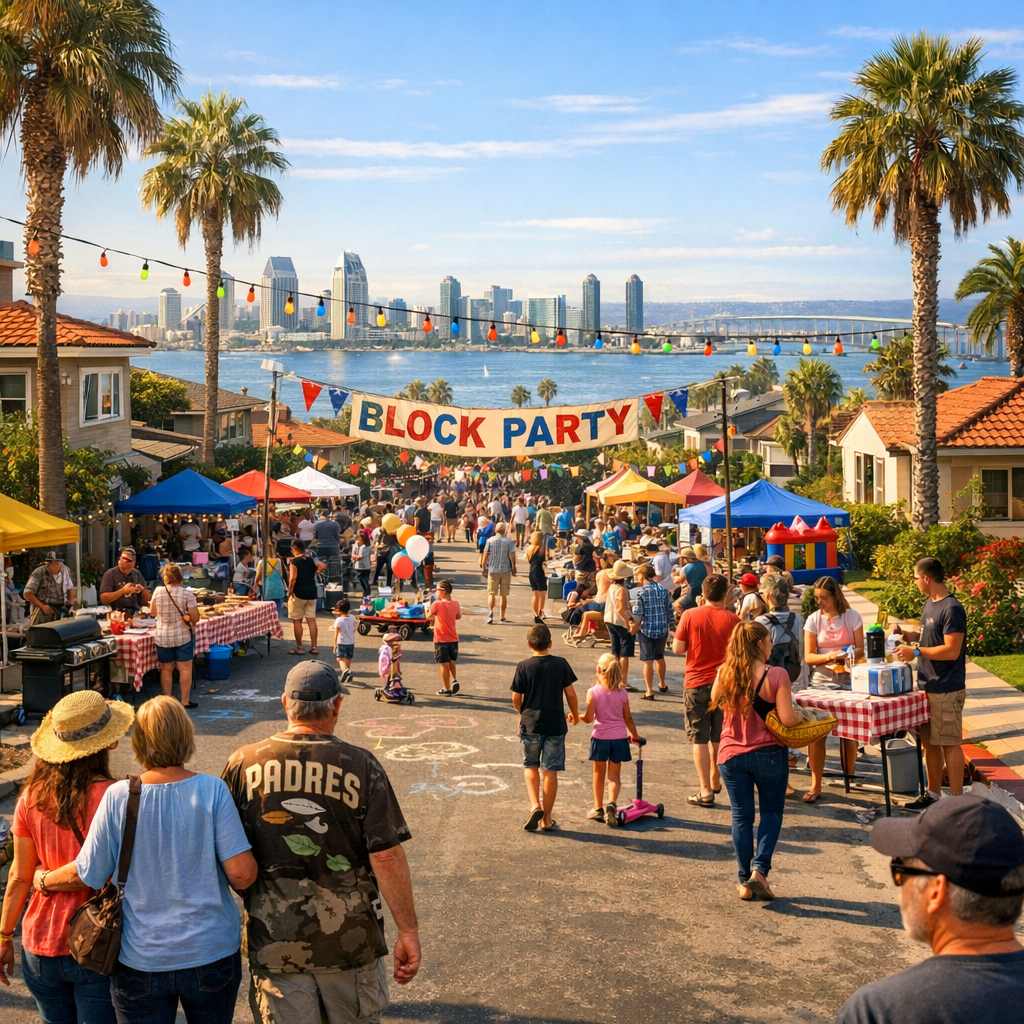
Community starts with small things: cleaning up alleys, turning on a porch light for someone who comes home late, sharing breaks between neighbors. When local voices appear in public forums—like City Planning or neighborhood associations—they help shape policy so that growth honors history, safety, and belonging, not just density. We need planners, neighbors, councils to lean in, listen closely, and act consistently.
Stories, streets, and solidarity—those are what make neighborhoods thrive. If we hold onto them, San Diego will be more than beautiful—it’ll be home.